
Understanding logo design principles isn’t just about creating something pretty. You want to build a brand identity that drives recognition and builds trust.
Your logo is the face of your business, and getting it wrong can cost you customers. I’ve seen too many small businesses struggle with forgettable logos that fail to communicate their value or connect with their audience.
When you apply the right fundamentals of typography, color theory, and visual hierarchy, you create visual impact that converts browsers into buyers.
What Makes a Logo Actually Work?
Effective logo design goes beyond aesthetics. It requires strategic thinking about how your visual identity communicates your brand personality at first glance.
The most successful logos share common characteristics that are the result of applying proven design principles.
Simplicity ensures memorability. Scalability guarantees your logo works across all platforms. Relevance connects with your target audience.
These elements work together to create logos that perform in the real world, not just in design portfolios.
Your logo needs to function as both art and communication tool. It should look professional while conveying what your business does and why customers should care.
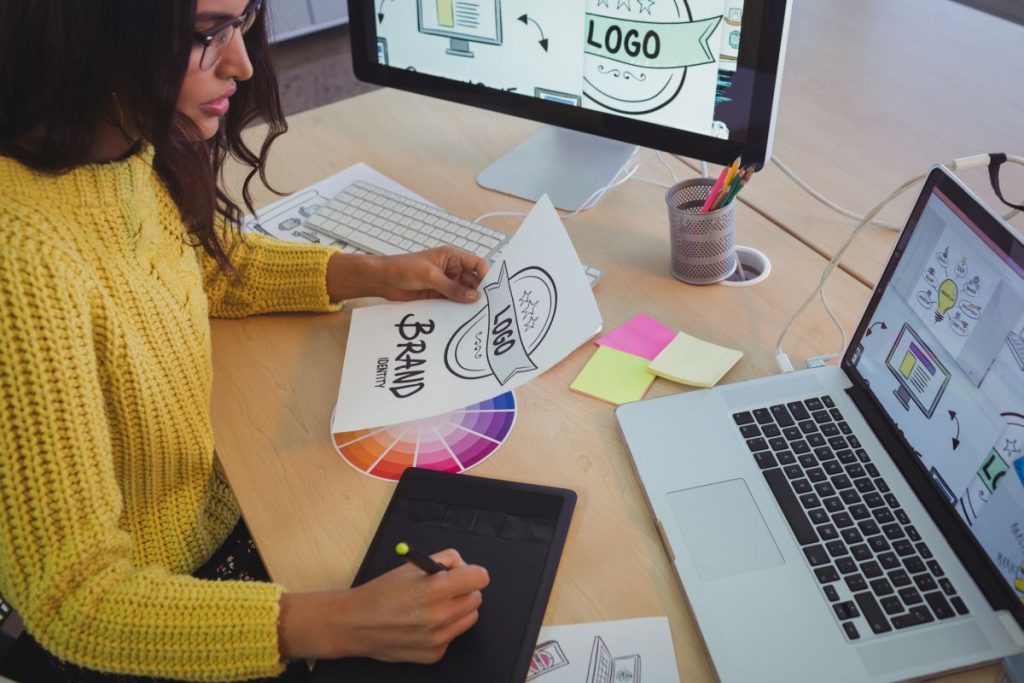
Why Does Simplicity Beat Complexity Every Time?
Think about the logos you instantly recognize. Apple’s bitten apple. Nike’s swoosh. McDonald’s golden arches. None of these need explanation because they embrace minimalism over complexity.
Simplicity in logo design creates clarity and elegance that users process quickly. When your logo is uncluttered and streamlined, it performs better across all touchpoints – from business cards to billboard advertisements.
Clean design also improves functionality and user-friendliness. A simple logo loads faster on websites, reproduces clearly in small sizes, and maintains visual impact whether printed in color or black and white.
Focus on one strong concept rather than cramming multiple ideas into your design. This approach creates efficiency in communication and ensures your logo remains memorable rather than confusing.
How Do Typography and Font Choices Shape Perception?
Typography is the secret weapon most business owners overlook. The typeface, kerning, and leading in your logo communicate personality before customers read a single word of your brand messaging.
Serif fonts suggest tradition and reliability and these are perfect for law firms or financial services.
Sans-serif options feel modern and approachable, ideal for tech companies or creative agencies.
Understanding these psychological triggers helps you choose typography that aligns with your brand positioning.
Pay attention to legibility across different sizes and applications. Your font choice should remain readable whether it’s on a smartphone screen or printed on promotional materials.
Test your typography at various scales to ensure consistent performance.
Consider custom lettering or unique font modifications to boost originality and distinctiveness. This investment in typography creates stronger brand identity and prevents your logo from looking generic or forgettable.

What Role Does Color Theory Play in Brand Success?
Color psychology isn’t marketing fluff – it’s science that influences purchasing decisions. Understanding the color wheel, complementary colors, and color harmony helps you make strategic choices rather than aesthetic guesses.
Warm colors like red and orange create urgency and energy, while cool colors such as blue and green suggest trust and stability. The key is matching your color palette to your brand strategy and target audience expectations.
Color psychology affects how customers perceive your business before they interact with your products or services. Consider how your colors work across different contexts.
Will your logo maintain impact in monochromatic applications?
Does it work on both light and dark backgrounds?
Saturation and hue adjustments can dramatically change customer perception. Subtle shifts in color intensity can make your brand feel premium or budget-friendly, professional or playful.
How Does Visual Hierarchy Guide Customer Attention?
Visual hierarchy controls where customers look first, second, and third in your logo design. Smart use of scale, contrast, and emphasis ensures your most important elements capture attention immediately.
Balance doesn’t mean everything should be the same size. What this means is that creating visual weight that feels stable and intentional. Proportion and alignment work together to guide the eye through your design in a logical flow.
Negative space is equally important as the positive elements in your logo. White space provides breathing room and can even create hidden meanings that add layers to your brand story.
Understanding proximity and repetition helps create unity within your design while maintaining visual interest. These gestalt principles ensure your logo feels cohesive rather than like separate elements competing for attention.
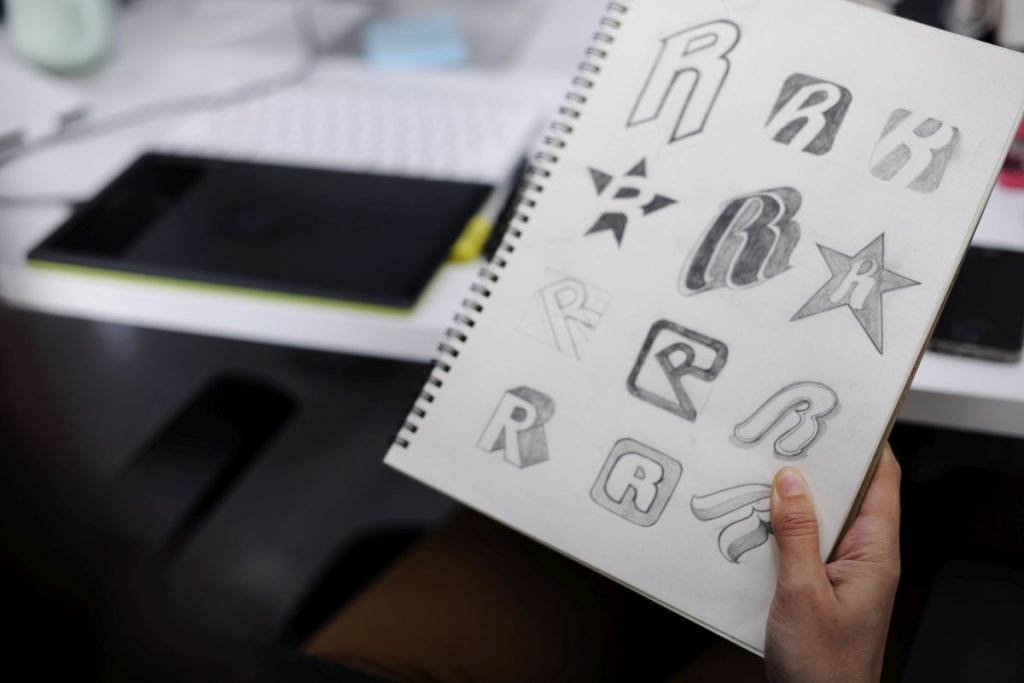
Why Must Your Logo Work Everywhere?
Scalability determines whether your logo succeeds in today’s multi-platform world. Your design must maintain clarity and impact from favicon size to trade show banner dimensions.
Test your logo across different applications early in the design process. Print it small on business cards, display it on mobile devices, and see how it looks embroidered on apparel. These real-world tests reveal potential issues before you finalize your brand guidelines.
Adaptability extends beyond size scaling. Your logo should work in horizontal and vertical orientations, maintain impact in single-color applications, and remain recognizable when simplified for certain use cases.
Consider creating logo variations for different contexts while maintaining consistency across all versions. This approach gives you flexibility without sacrificing brand recognition or diluting your visual identity.
How Do You Create Memorability That Lasts?
Distinctiveness separates memorable logos from forgettable ones. Your design should stand out in your industry while remaining appropriate for your business category and target audience.
Recognition comes from consistency across all brand touchpoints. When customers see your logo repeatedly in various contexts, it builds familiarity and trust. This is why maintaining uniformity in your visual identity matters more than constantly updating your design.
Symbolism and iconography can add deeper meaning to your logo, but avoid being too literal. The best logos work on multiple levels. They’re simple enough for quick recognition but sophisticated enough to represent complex business concepts.
Consider how your logo relates to your overall brand personality and unique value proposition. These elements should work together to create a cohesive brand experience.

What Are the Biggest Logo Design Mistakes to Avoid?
Following trends too closely creates logos that look dated quickly. Instead of chasing what’s popular, focus on timeless design principles that will serve your business for years.
Overcomplicating your design dilutes its impact. Resist the urge to include every aspect of your business in your logo. Let other brand elements like taglines and marketing materials tell the complete story.
Ignoring your target audience is another costly mistake. Your logo should appeal to the people who buy your products or services, not just your personal preferences.
Skipping the testing phase can lead to expensive rebranding later. Always verify your logo works across different sizes, applications, and contexts before committing to the final design.
How Do Professional Logo Design Principles Apply to Small Businesses?
Small businesses often think they can’t afford professional-quality logos, but understanding these principles helps you make better decisions regardless of your budget.
Whether you’re working with a designer or creating your own logo, these fundamentals remain the same.
Start with your brand identity and business goals. Your logo should support your overall brand strategy, not work against it. Consider how it fits into your broader marketing efforts and customer experience.
Remember that your logo is just one part of your visual identity system. It needs to work alongside your website, marketing materials, and other brand elements to create a cohesive experience that builds trust and recognition.
The investment in thoughtful logo design pays dividends through improved brand recognition, customer trust, and business credibility.
These logo design principles form the foundation of successful visual branding that grows with your business.
FAQs
What makes a logo memorable? Simplicity, distinctiveness, and consistent use across all brand touchpoints create memorability that lasts.
How important is color in logo design? Color psychology significantly impacts customer perception and purchasing decisions, making strategic color choices essential for brand success.
Should my logo include my business name? Not necessarily. Many successful logos use symbols or wordmarks independently, depending on your brand strategy and recognition goals.
How do I know if my logo is scalable? Test it at various sizes from favicon to billboard dimensions, ensuring it maintains clarity and impact at every scale.
Can I change my logo later? While possible, rebranding is expensive and can confuse customers. It’s better to invest in thoughtful design from the start.